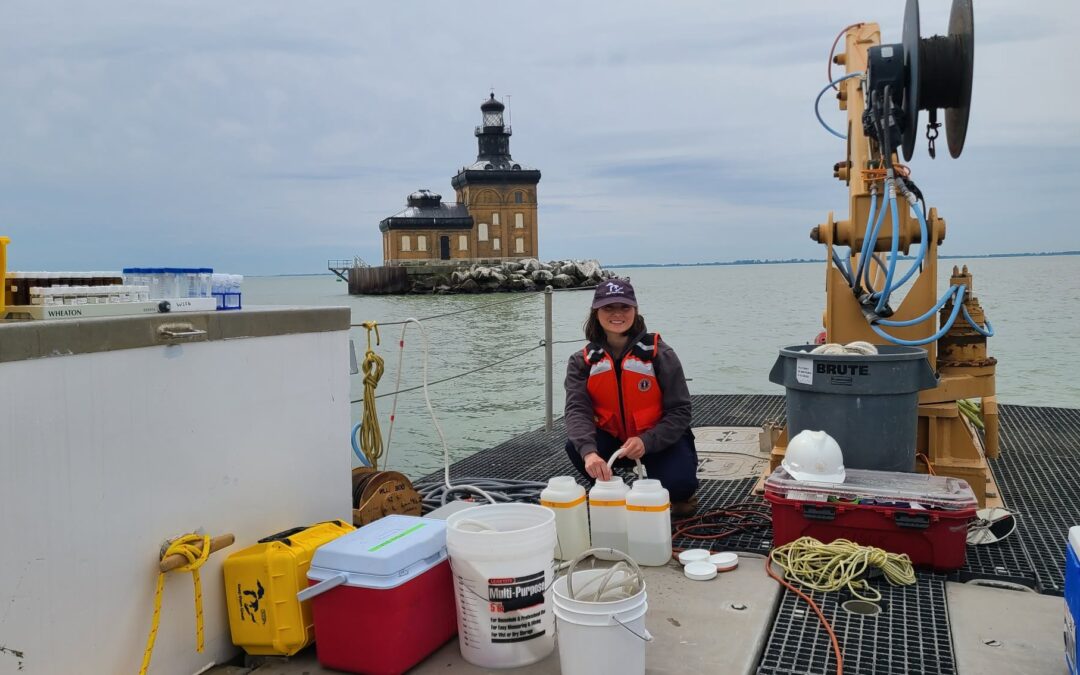
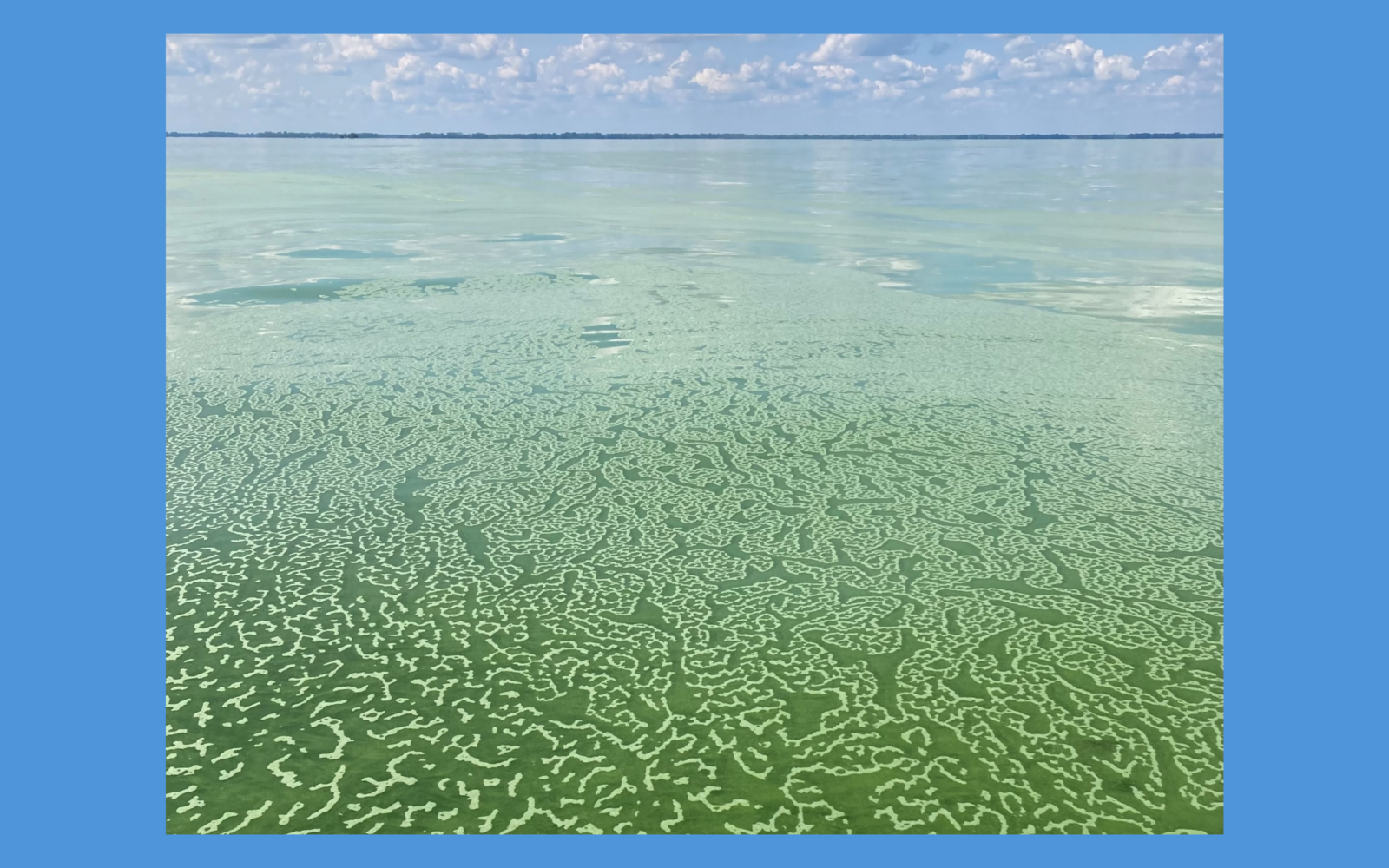
We’re excited to share a new blog post highlighting recent research published in the Journal of Great Lakes Research examining how the Detroit and Maumee rivers influence environmental conditions associated with HABs in western Lake Erie. The study was led by CIGLR’s Jasmine Mancuso and included researchers from CIGLR and NOAA-GLERL. Click the image for more.
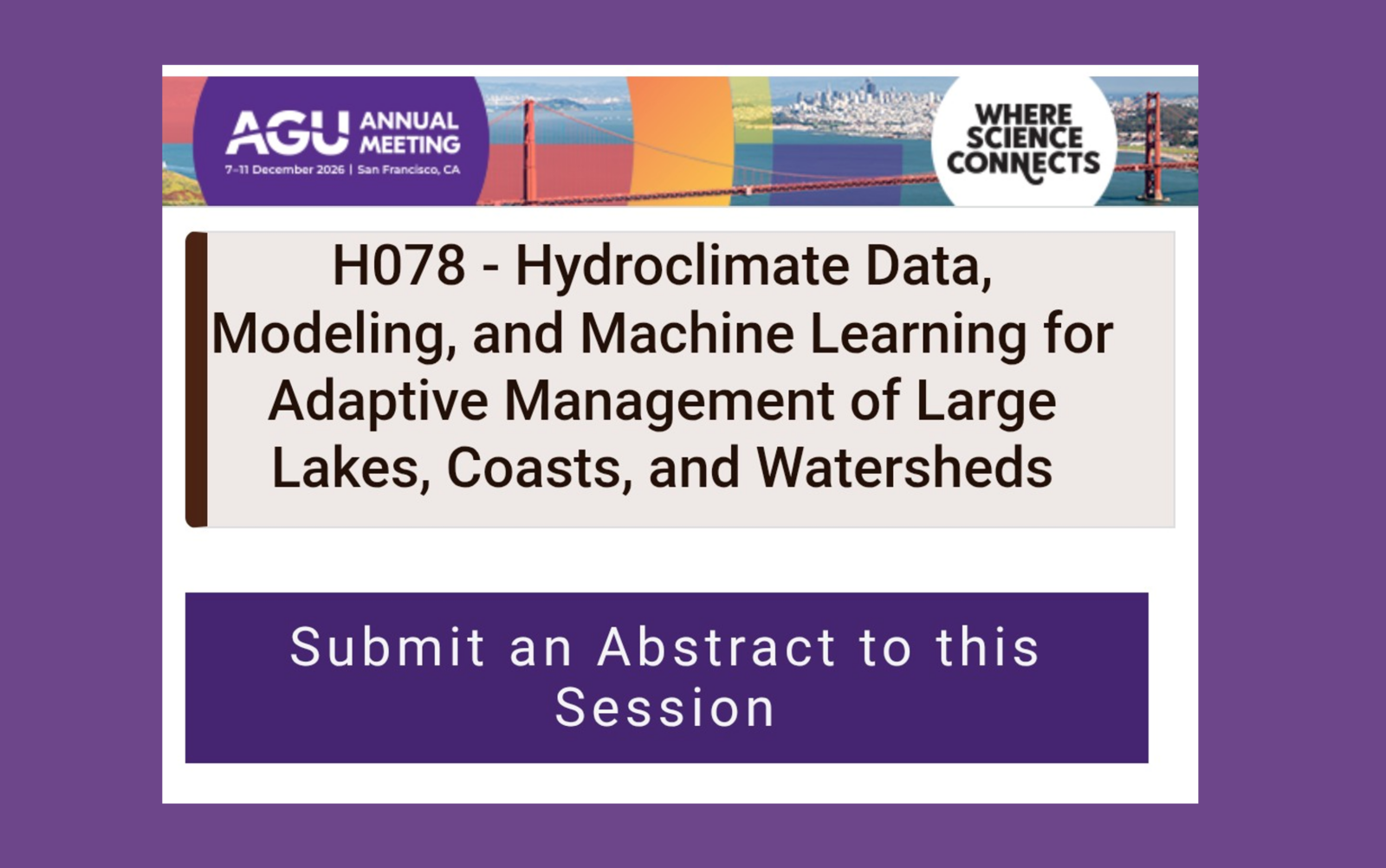
We invite submissions on hydroclimate, modeling, and machine learning for adaptive management of large lakes, coasts, and watersheds for the #AGU Fall Meeting, Dec 7–11, 2026, in San Francisco, CA. ⭐ Deadline: Aug 5, 2026. Click the image for details and abstract submission.
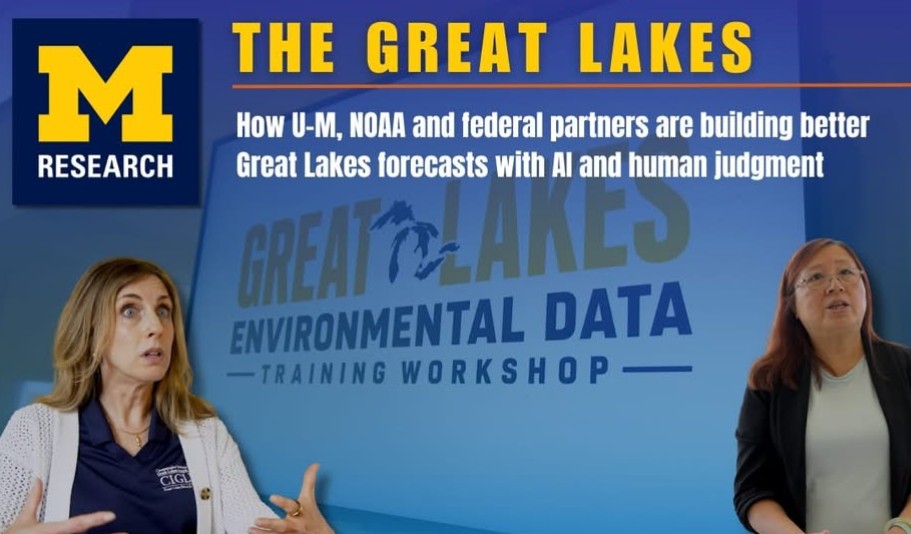
🤖🌊 Better Great Lakes forecasts start with responsible AI. Researchers from CIGLR, NOAA GLERL, University of Michigan, MIDAS & partners explored how AI can improve Great Lakes forecasting while keeping scientific expertise & lake physics at the center: click the image to read the article and watch the video.
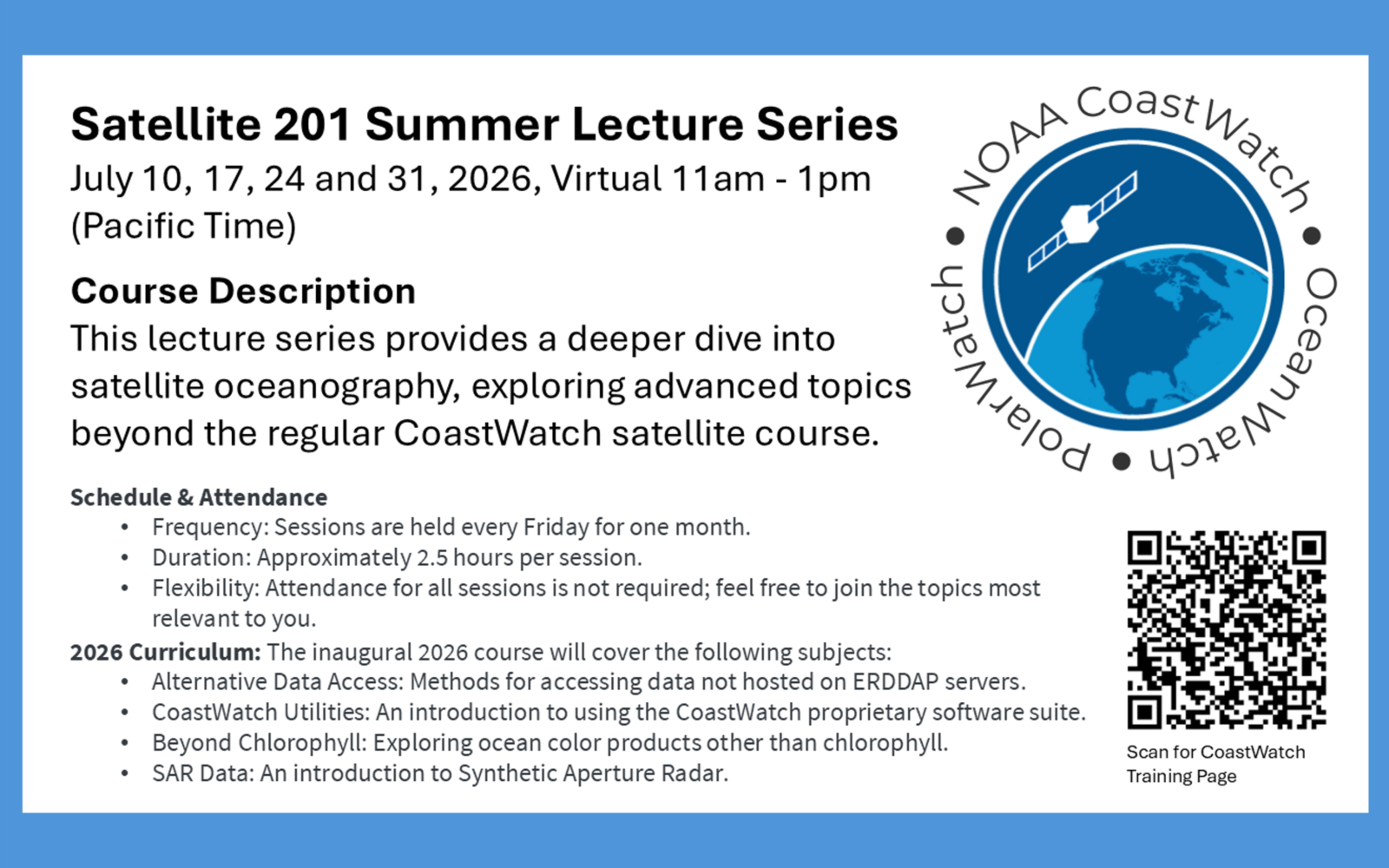
Join the virtual NOAA CoastWatch Satellite 201 Summer Lecture Series on July 10, 17, 24, and 31 for an advanced exploration of satellite oceanography, covering alternative data access, CoastWatch utilities, ocean color products beyond chlorophyll, and Synthetic Aperture Radar (SAR), click the image to register and learn more about the series.
New research from the University of Michigan, CIGLR, NOAA & partners found Lake Erie harmful algal blooms (HABs) contain a diverse “forbidden soup” of bioactive compounds that may interact and increase toxicity, underscoring the need for expanded HAB monitoring & risk assessment Click the image for the article.
🚨 Come work with us! We’re HIRING an Oil Spill Hydrodynamic Modeler will work with CIGLR & NOAA-GLERL researchers in Ann Arbor, Michigan on Great Lakes oil spill transport & fate modeling. Click image for more.