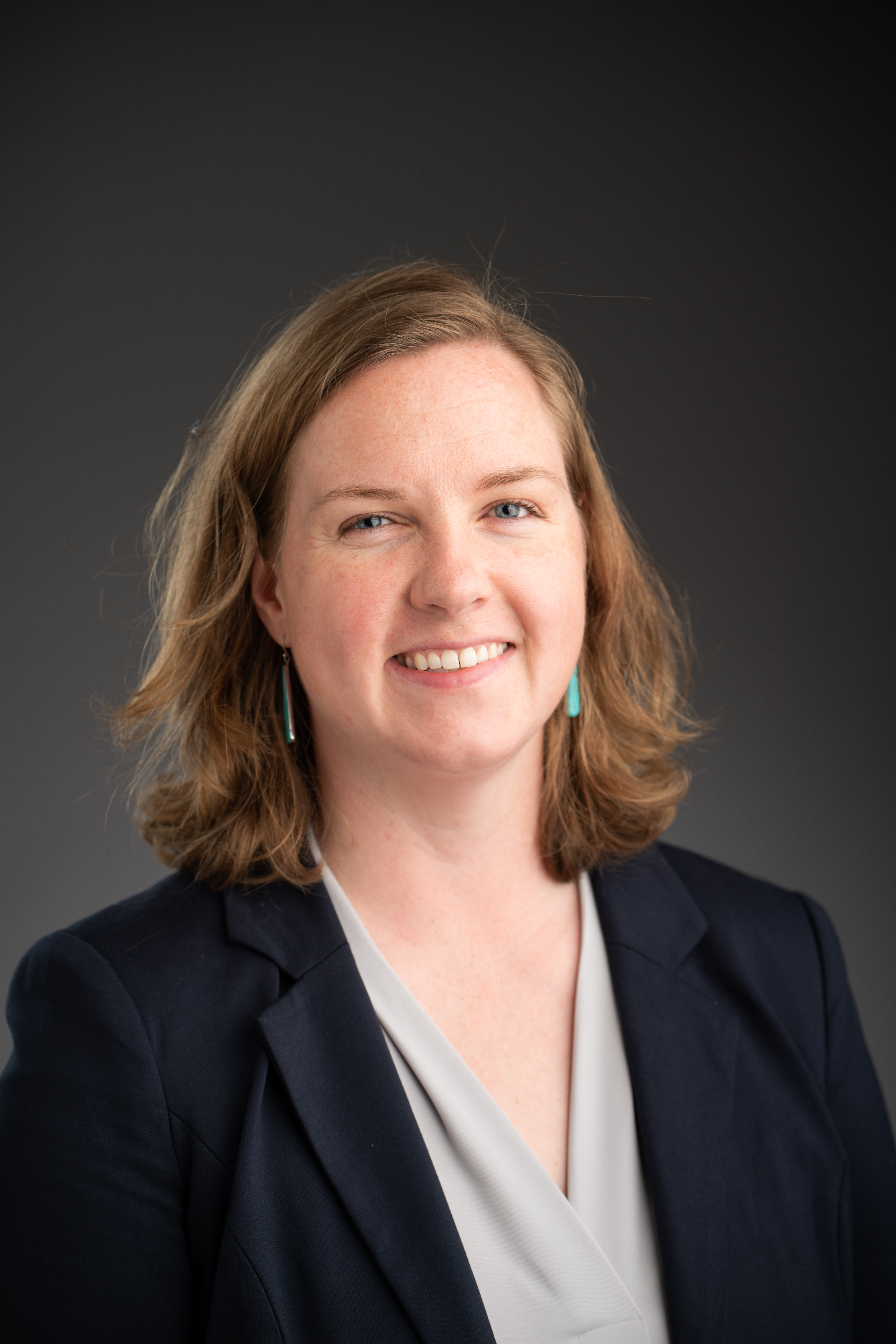
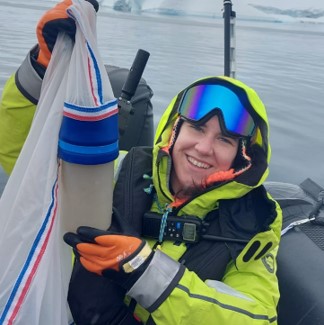
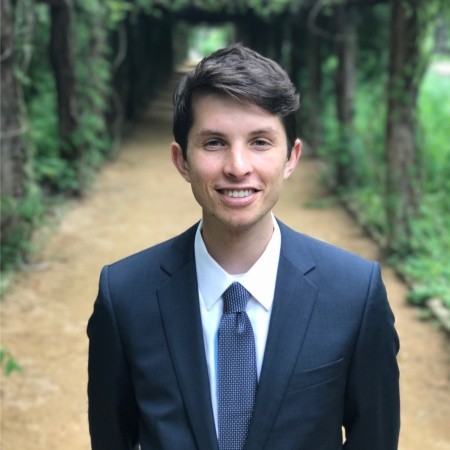
Freya Rowland was a Postdoctoral Research Fellow at CIGLR from 2018 to 2019, where she played an integral role on the harmful algal bloom (HAB) research team. During her time at CIGLR, Rowland collaborated closely with NOAA GLERL and University of Michigan scientists to explore the drivers of algal blooms and toxicity in western Lake Erie. Using high-quality monitoring data, she found that spring phosphorus loads are a weak predictor of algal biomass, revealing the need for more nuanced water quality management strategies.
Holly Kelchner was an Aquatic Ecology Research Analyst for CIGLR from 2020-2022. Kelchner was an integral part of the harmful algal bloom (HAB) research team coordinating the Western Lake Erie monitoring cruises and leading toxin quantification through bioassay techniques. Kelchner recently joined the Implementation Team at the Science Education Resource Center (SERC) at Carleton College in Northfield, MN.
Chelsea Weiskerger was a 2019-2020 CIGLR Graduate Research Fellow from Michigan State University (MSU). Weiskerger graduated with a doctoral degree in civil and environmental engineering focused on Lake Michigan storm and water quality impacts. Currently, Weiskerger is working for the U.S. Environmental Protection Agency (EPA). She is based in Atlanta, Georgia, and is developing and calibrating watershed and water quality models to inform regulatory decisions to protect surface water and public health.
Kevin Meyer joined CIGLR in 2015 as a postdoctoral research fellow working with Dr. Greg Dick at the University of Michigan. In 2019, he completed his fellowship and joined the Army Corps of Engineers as an environmental engineer.
In the midst of the rapid spread of COVID-19 in 2020 and 2021, Justin Hart saw a way to apply his background in microbiology and water management to a new, global challenge. Hart joined teams that used a new way to monitor the spread of COVID-19 and other infectious diseases in major cities: wastewater surveillance.