
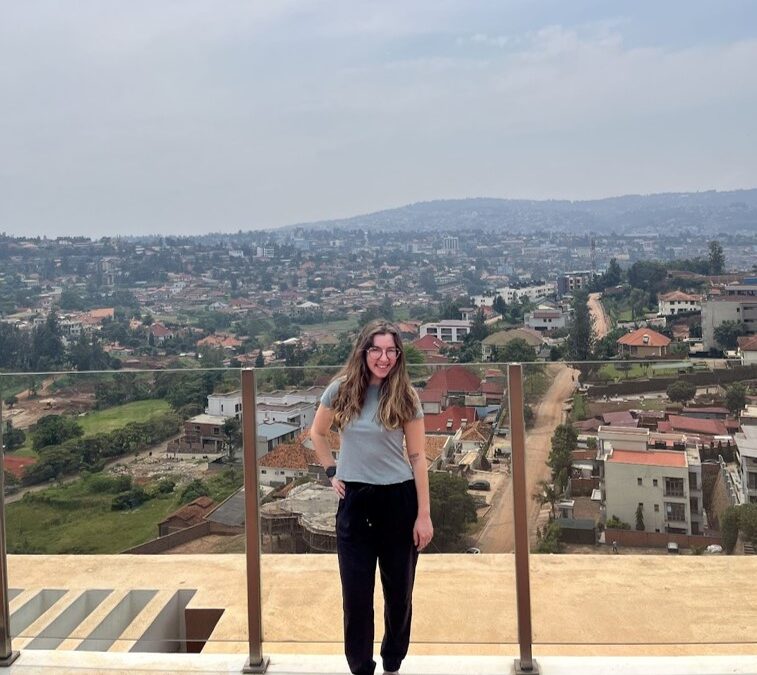
Cooperative Institute for Great Lakes Research (CIGLR) Earth System Modeler Melissa Mattwig attended the 2026 Annual Meeting of the African Center for Aquatic Research and Education (ACARE) in February 2026 in Kigali, Rwanda. At the meeting, she shared insights from her work with colleagues around the world and highlighted CIGLR’s research in the Laurentian Great Lakes. She also learned from experts studying the African Great Lakes, a system that holds over 25% of the world’s freshwater and supports millions of people.
The conference brought together a collaborative network of freshwater and large-lake specialists to share knowledge, advance monitoring and education, break down gender barriers, and inform critical decisions for the health of these vital lakes. This year’s meeting also marked the kickoff of the five-year strategic plan for the African Great Lakes advisory groups.
Melissa’s participation highlighted the value of international collaboration and the exchange of ideas between Great Lakes regions. She also had the opportunity to revisit places in Africa close to her heart and reconnect with cherished friends along the way.
About Melissa
For Melissa Mattwig, Great Lakes science is both professional and personal. As an Earth System Modeler with CIGLR, she works with David Cannon, Ph.D., and the Lake Ontario Bilateral Infrastructure Project team to support spatial analysis and deepen understanding of complex freshwater systems. Her work combines GIS, remote sensing, hydrology, limnology, and environmental data modeling to translate patterns in the lakes into actionable information for management and policy.
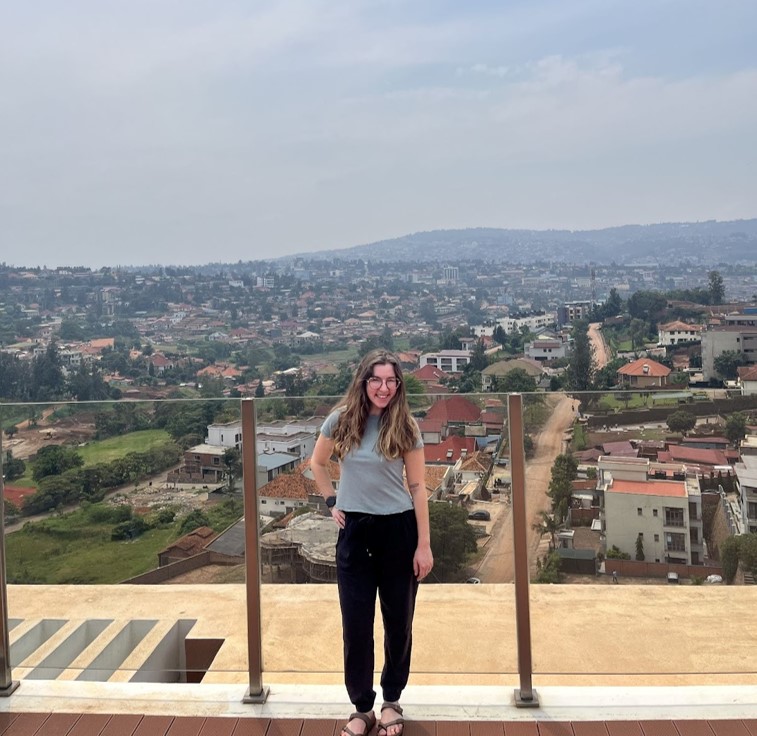
Melissa Mattwig in Kigali, Rwanda, February 2026.
Melissa’s path to CIGLR began close to home. Growing up near Lake Erie, she developed an early curiosity about the waters that shaped her community. She earned her B.S. in Biology and Environmental Science from Allegheny College in Pennsylvania, and her passion for freshwater systems eventually carried her far beyond the Laurentian Great Lakes. After college, Melissa spent three years living in Tanzania, first as a Boren Scholar and then as a Peace Corps volunteer, where she learned Swahili and immersed herself in communities connected to the East African Great Lakes. Upon returning to the U.S., she completed her M.S. in Geospatial Data Science at the University of Michigan’s School for Environment and Sustainability (SEAS). For her Master’s thesis, she developed an agent-based model to better understand cyanobacteria resource competition under the mentorship of CIGLR’s Casey Godwin, Ph.D.
Working at CIGLR, with its extensive network of experts, was a dream come true for Melissa. It broadened her perspective on what it means to work on vast, multijurisdictional, and multinational freshwater resources. It also gave her the chance to connect with SEAS alumnus and returned Peace Corps volunteer Ted Lawrence, Ph.D., the executive director of ACARE, and gain insight into collaborative freshwater research across both Great Lakes systems.
Melissa eagerly supported ACARE’s African Women in Science (AWIS) program during the 2025 International Association of Great Lakes Research (IAGLR) conference. Drawing on her experience in Tanzania, she provided logistical and cultural guidance for AWIS participants, many of whom had never been to North America. This experience allowed her to learn more about current research and challenges in the African Great Lakes while fostering new friendships.
Her involvement with ACARE as a CIGLR representative helped define what Melissa hopes will be a central theme of her career: using her knowledge and experiences from both Africa and North America to provide common ground between these two significant Great Lakes systems. She continued this work as part of the organizing team for the 2026 ACARE Annual Meeting.
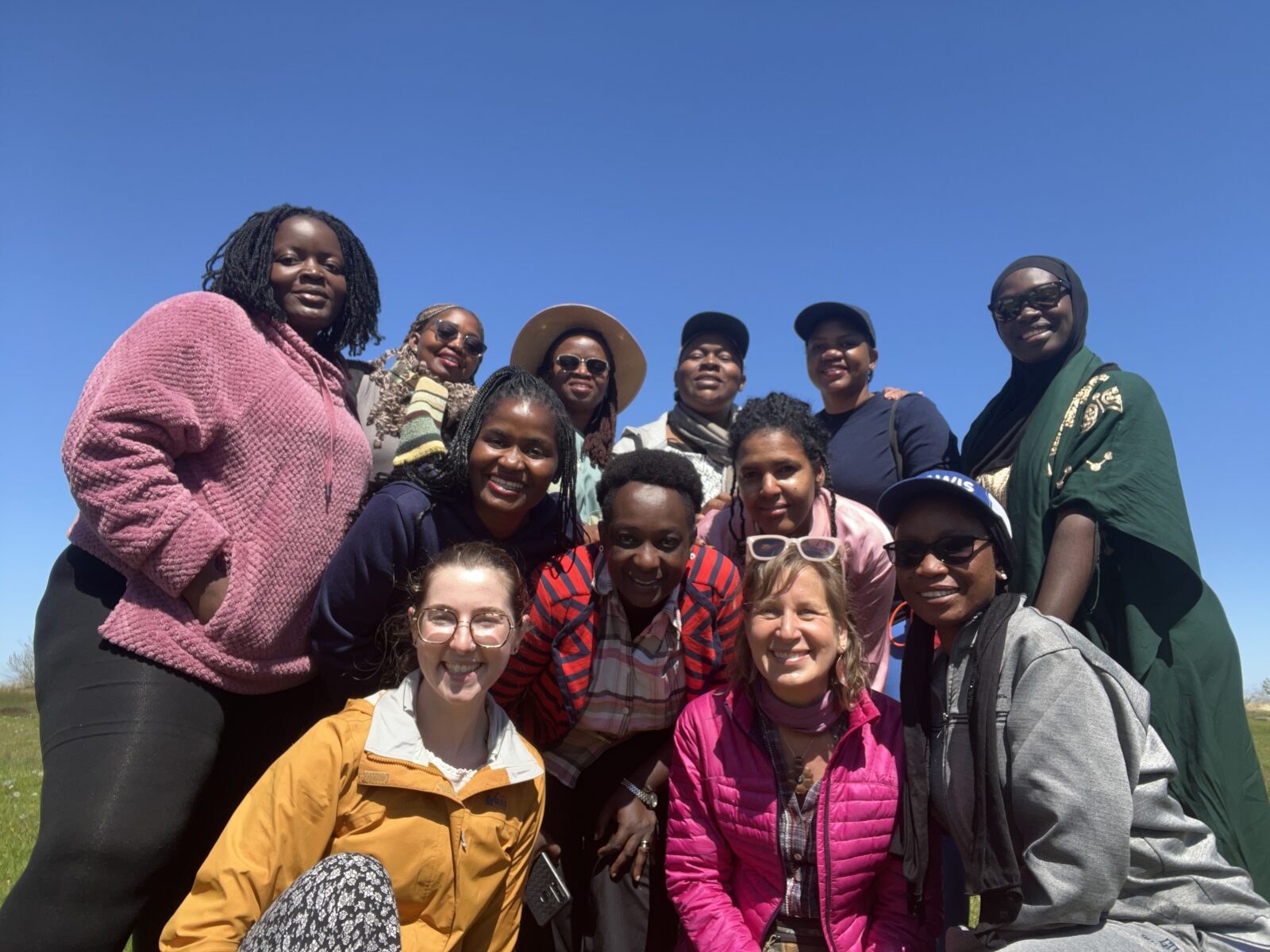
Members of the AWIS 2025 cohort at IAGLR, May 2025. (Melissa Mattwig, bottom left, yellow jacket).
Today, Melissa’s work reflects a rare dual perspective: she is a scientist rooted in the American Great Lakes with lived experience and a multicultural understanding of the African Great Lakes, bringing a global lens to the study and stewardship of freshwater systems.
ACARE Annual Meeting
When Melissa arrived at the 2026 ACARE Annual Meeting, she stepped into a room filled with nearly 180 scientists, educators, and lake advocates united by a shared goal: healthy African Great Lakes. The annual gathering brings together all of ACARE’s advisory groups, creating a rare opportunity for experts from 10 countries to exchange research, strengthen partnerships, and identify new paths for collaboration. This year’s focus was “Shoreline to Strategy: Activating the Roadmap for Vibrant African Great Lakes.”
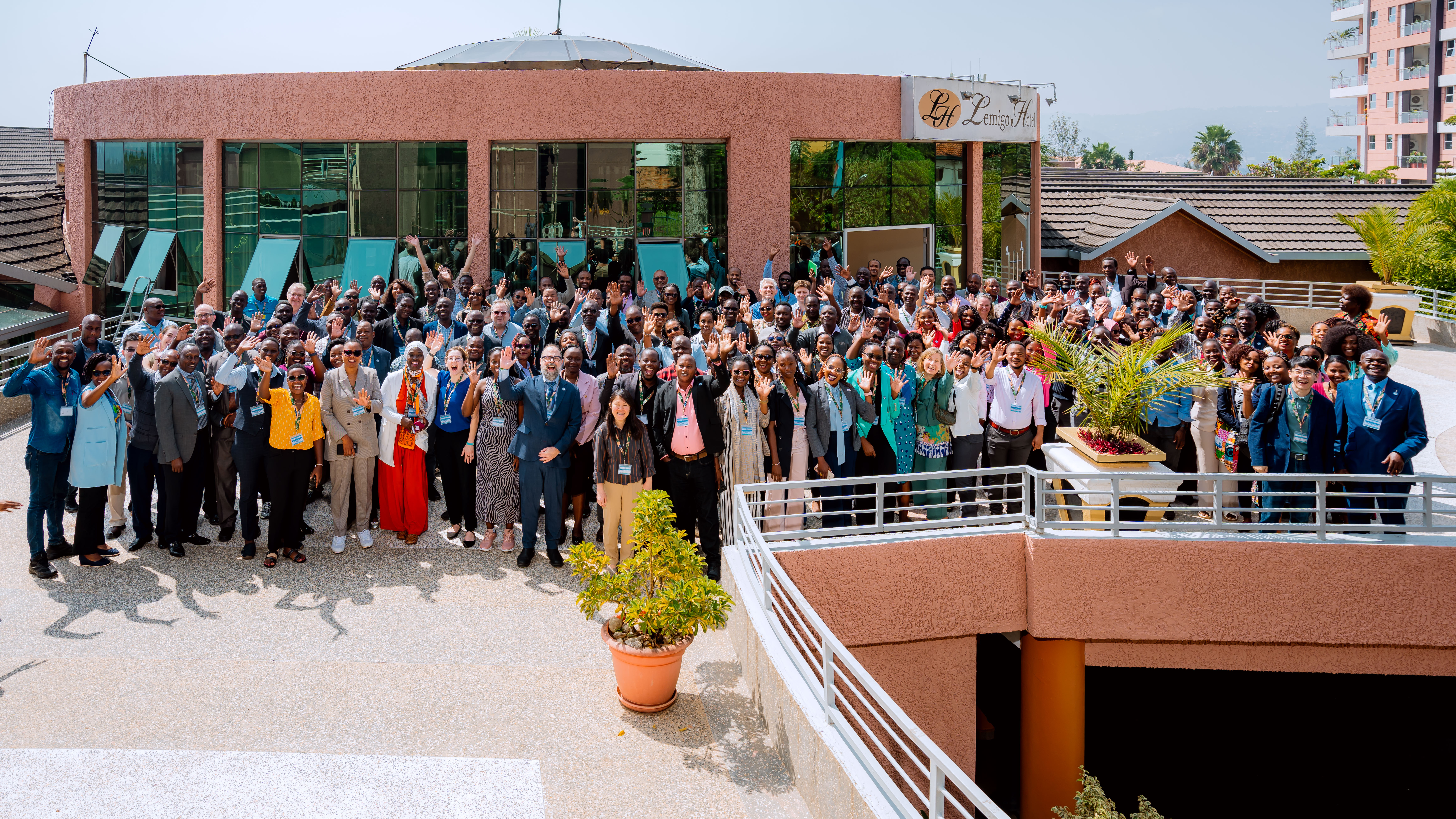
Group photo of participants at the 2026 ACARE Annual Meeting.
At the meeting, Melissa wore multiple hats. She supported ACARE by assisting with conference registration, meeting nearly all attendees, many of whom asked about her floodplain modeling work at CIGLR. She also presented on CIGLR’s research across the Laurentian Great Lakes, highlighting how the institute translates science into tools and insights that support communities and decision-makers. Melissa shared an overview of CIGLR’s structure: a research institute embedded at NOAA’s Great Lakes Environmental Research Laboratory, a regional consortium spanning universities, NGOs, and businesses, and an engagement program that connects science to stakeholders. She showcased major research efforts, from harmful algal bloom and hypoxia forecasting in Lake Erie to ice prediction tools that support winter navigation and oil spill response, and new modeling frameworks that improve coastal flood forecasts. Overall, the meeting provided a valuable opportunity for Melissa to connect African Great Lakes scientists more directly with CIGLR and its wide network of expertise.
Melissa also facilitated a capacity-building workshop introducing geospatial data tools and GIS, a skillset she developed during her Master’s at SEAS and frequently uses in her work at CIGLR.
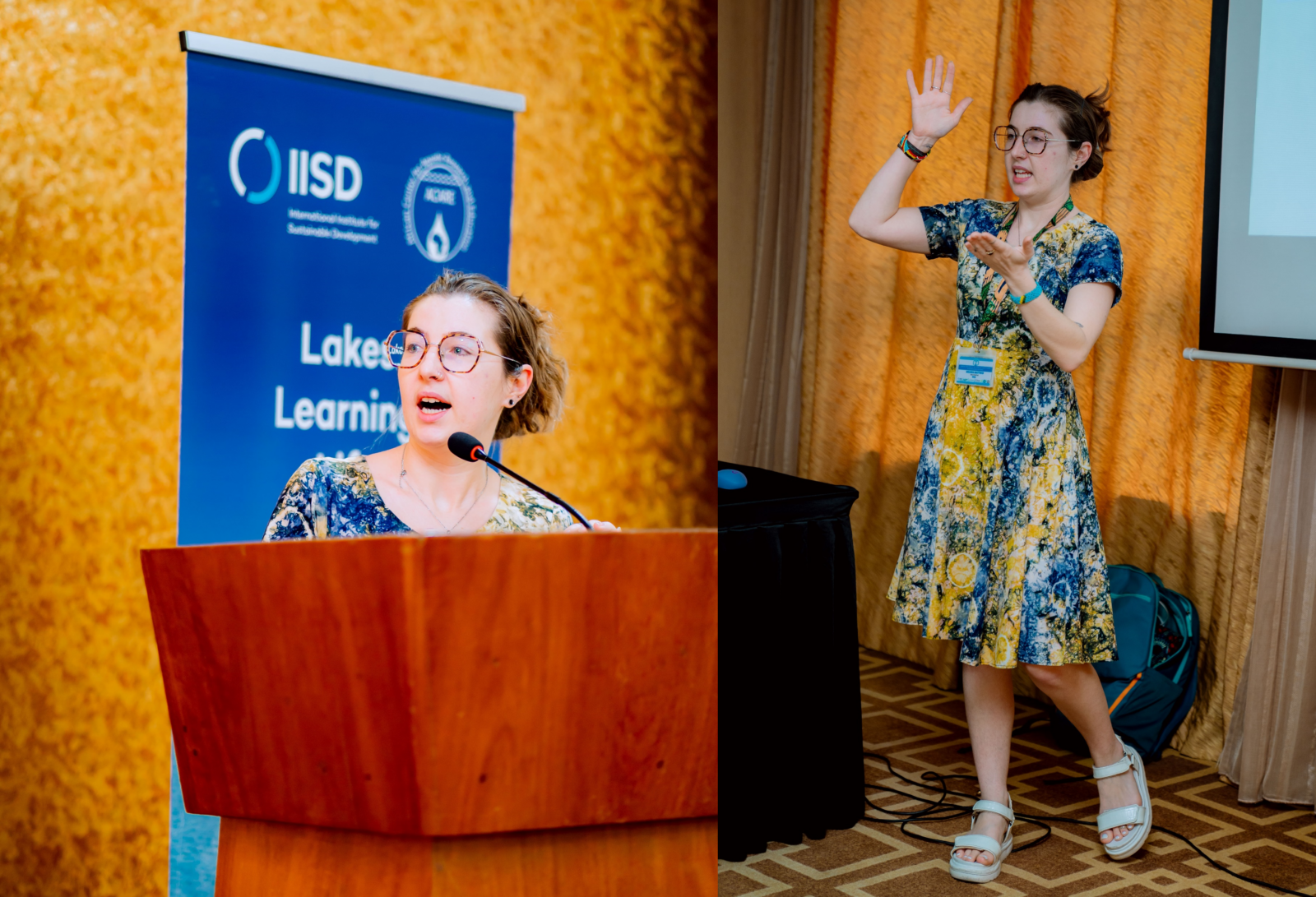
Melissa Mattwig giving her CIGLR presentation (left) and geospatial data workshop (right) at the Annual Meeting.
For Melissa, the most meaningful part of the Annual Meeting was the dialogue it sparked. Between tea breaks and networking dinners, she connected with scientists ranging from Master’s students to directors of national fisheries institutes, often switching between English, French, and Swahili. She found it energizing to hear about ACARE’s five-year strategic plan, with each advisory group presenting goals such as improving cross-border management, unifying fisheries inventory efforts, promoting partnerships with local and national stakeholders, and strengthening mentorship opportunities. A highlight was reconnecting with friends from the 2025 AWIS cohort while meeting the incoming 2026 group.
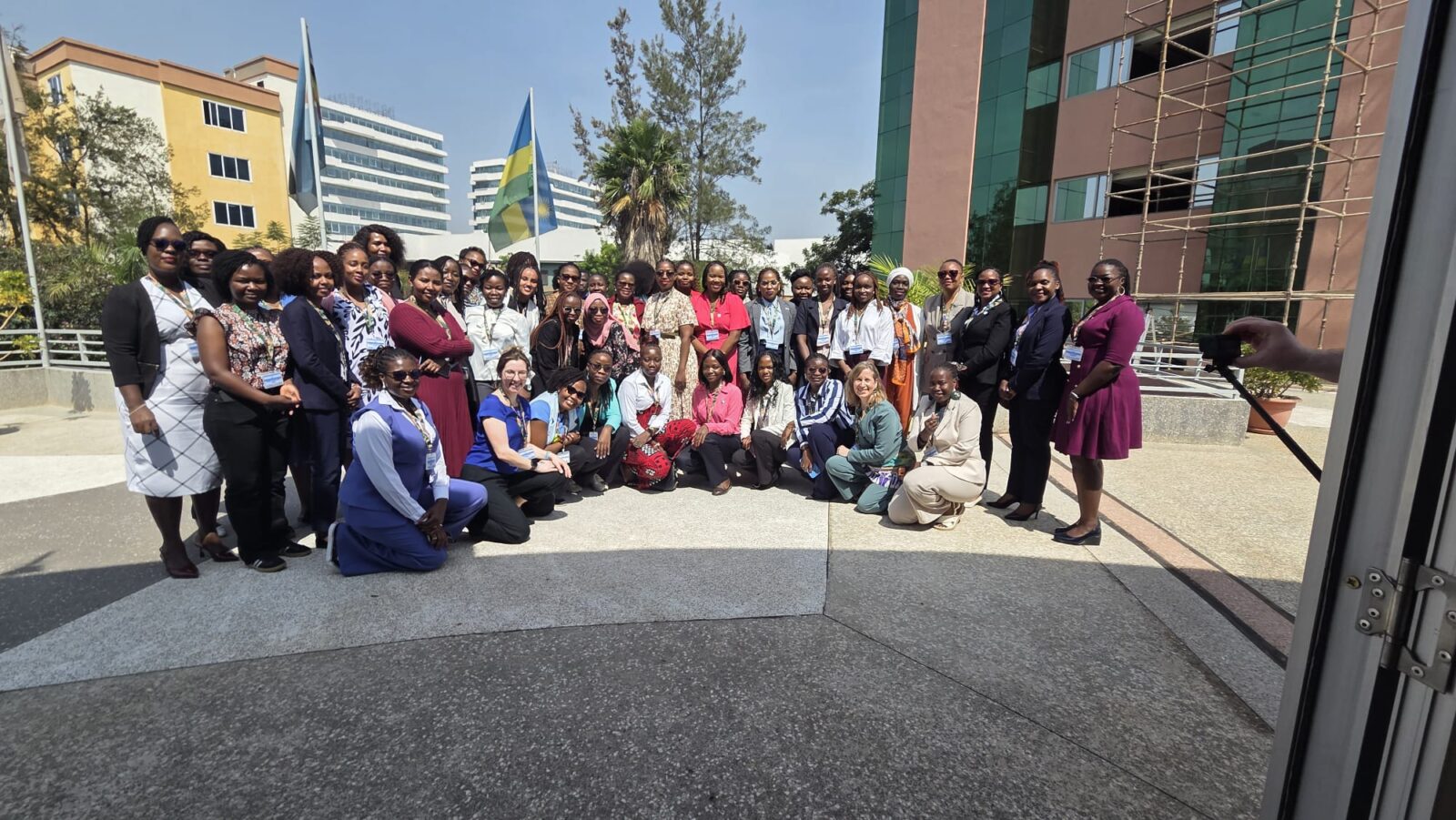
Celebrating AWIS alumnae and welcoming the 2026 cohort.
Overall, the meeting was an incredible opportunity for Melissa to engage with African Great Lakes partners on both professional and personal levels, while also introducing CIGLR’s work for the first time at an ACARE Annual Meeting.
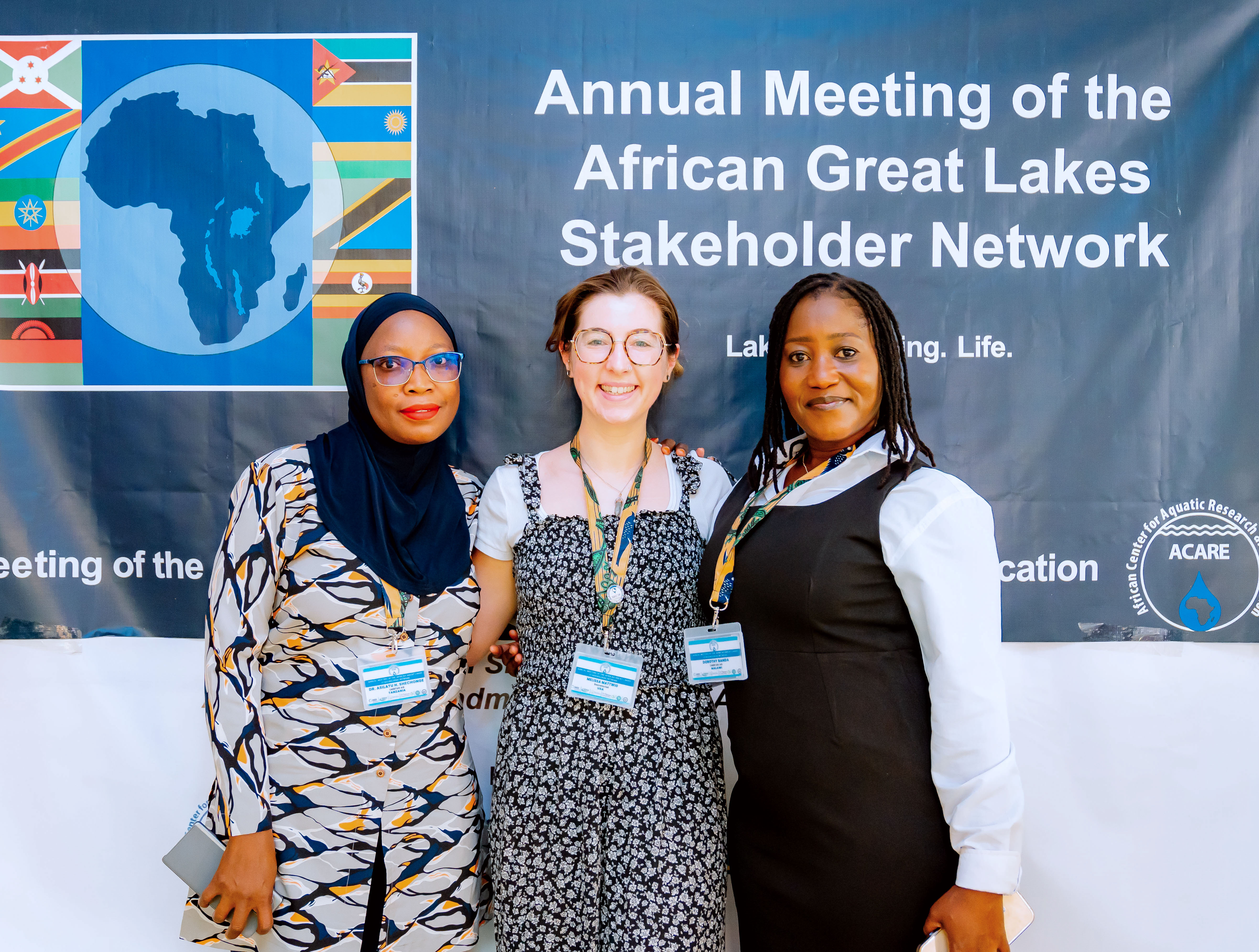
Melissa Mattwig with 2025 AWIS alumnae Asilatu Shechonge (left) and Dorothy Banda (right).
Learning From the African Great Lakes
The African Great Lakes are a group of large freshwater lakes located in and around the East African Rift Valley. The seven principal lakes—Victoria, Tanganyika, Malawi (also called Nyasa or Niasa), Turkana, Albert, Edward, and Kivu—span multiple countries in eastern and central Africa, including Tanzania, Uganda, Kenya, Ethiopia, Rwanda, Burundi, the Democratic Republic of the Congo, Zambia, and Malawi. Collectively, they hold more than 25% of the world’s unfrozen surface freshwater, making them one of the most significant freshwater systems on Earth.
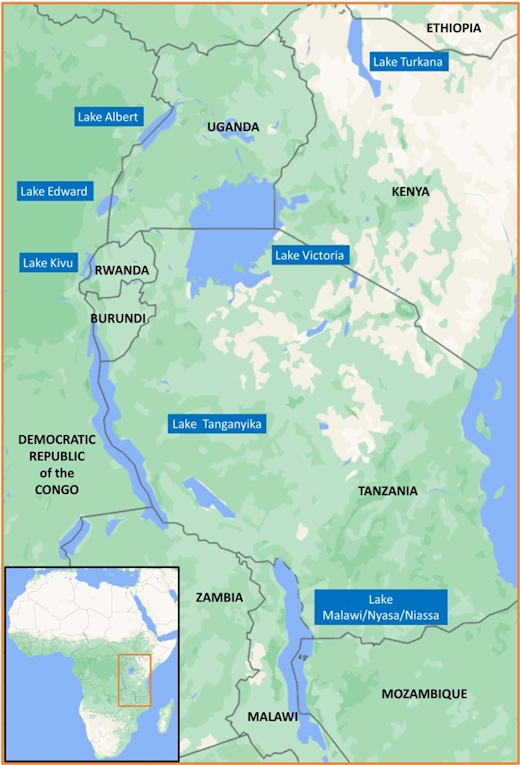
Map of the African Great Lakes. The seven principal lakes—Victoria, Tanganyika, Malawi (also called Nyasa or Niasa), Turkana, Albert, Edward, and Kivu—span multiple countries in eastern and central Africa, including Tanzania, Uganda, Kenya, Ethiopia, Rwanda, Burundi, the Democratic Republic of the Congo, Zambia, and Malawi. Credit ACARE.
These lakes support tens of millions of people who rely on them for drinking water, fisheries, transportation, agriculture, hydropower, and tourism. While there are many parallels with North America’s Great Lakes, fisheries in the African Great Lakes supply a much higher proportion of protein to the regional diet, and recreational fishing is minimal. Ecologically, they are among the most biodiverse freshwater systems in the world, particularly Lakes Tanganyika and Malawi/Nyasa/Niasa, known for their unique cichlid fish species. At the same time, the African Great Lakes face growing pressures from climate change, population growth, pollution, invasive species, and resource management challenges, underscoring the importance of collaborative research and stewardship.
Many of these pressures are mirrored in the Laurentian Great Lakes. However, the African Great Lakes lack long-term datasets needed to understand the effects of human activities and climate change over time. Developing consistent data collection infrastructure, or even international freshwater policy, is particularly challenging, since several of these lakes are binational or multinational, such as Victoria, Tanganyika, and Malawi/Nyasa/Niasa. Despite these challenges, attendees at the Annual Meeting were eager to come together to share ideas, identify solutions, and establish ways to stay connected across borders. One example of this collaborative approach is involving community members in the maintenance of monitoring equipment, which helps ensure longevity while fostering local engagement in ecosystem preservation.
For Melissa, the most important takeaway from the Annual Meeting was this: the goals of ACARE’s advisory groups align closely with CIGLR’s mission. Both organizations aim to lead research and engage stakeholders to achieve environmental, economic, and social sustainability in the Great Lakes. By strengthening connections between CIGLR and ACARE’s network of scientists, the collective science becomes stronger, bringing more perspectives, ideas, and opportunities to learn from one another while protecting the freshwater systems we all care deeply about.
Returning to Familiar Places
After living in Tanzania for three years, it was exciting for Melissa to visit another East African country. Known as the Land of a Thousand Hills, Rwanda is beautifully green and vibrant. While the cuisine was similar to neighboring Tanzania, mostly spiced rice or ugali with beans, fish, or meat, the national language, Kinyarwanda, is a Bantu cousin of Tanzania’s Swahili. One of her favorite experiences was watching traditional Rwandan dance performed by the Inyamibwa Cultural Troupe during one of the Annual Meeting dinners.
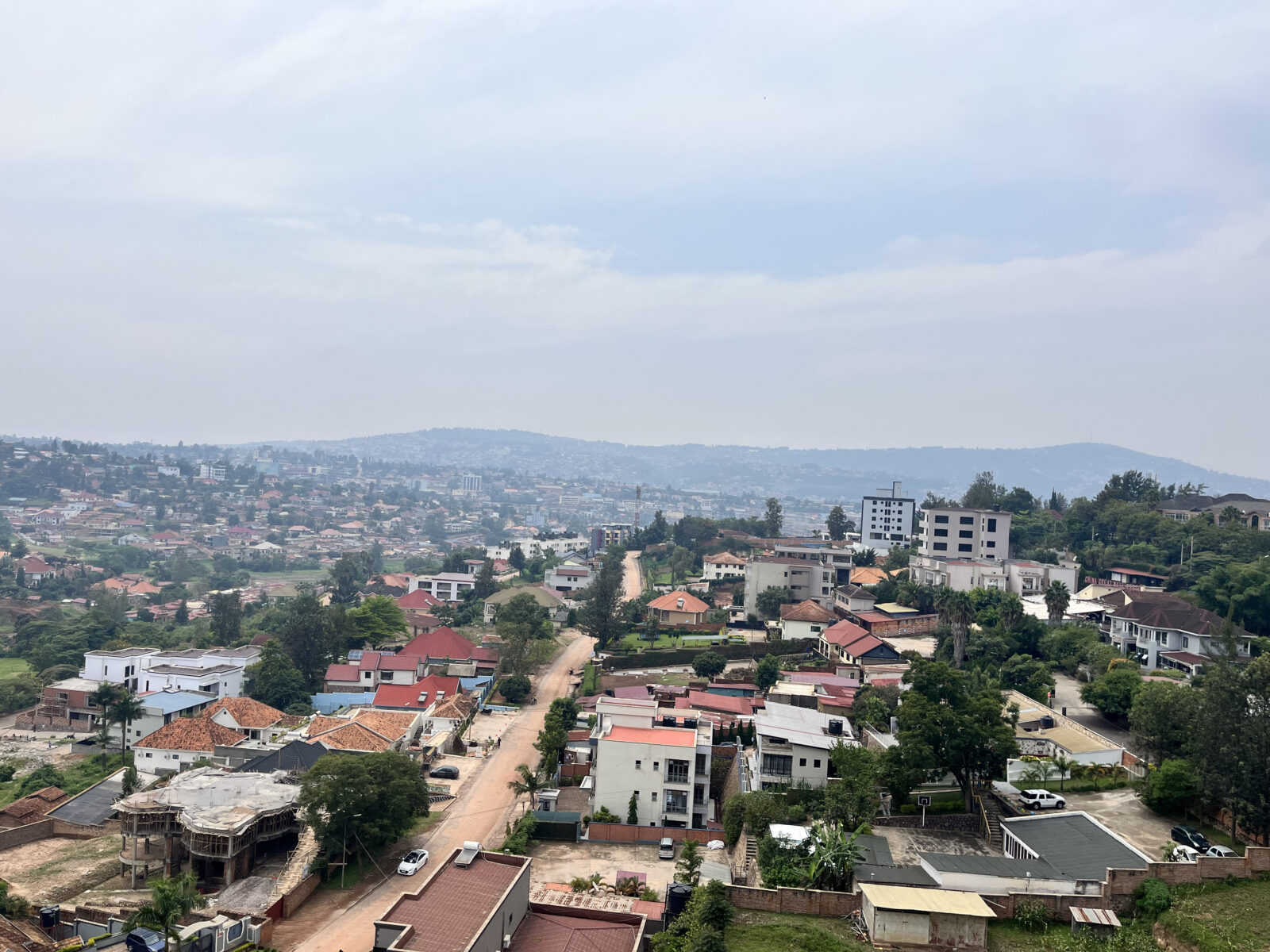
Overlooking Kigali, Rwanda.
After the Annual Meeting, Melissa returned to Tanzania for vacation, visiting her Peace Corps counterpart and close friend, Nisile. They traveled to Zanzibar to see the Indian Ocean, explore the spice markets, and enjoy as much fresh tropical fruit as they could manage.
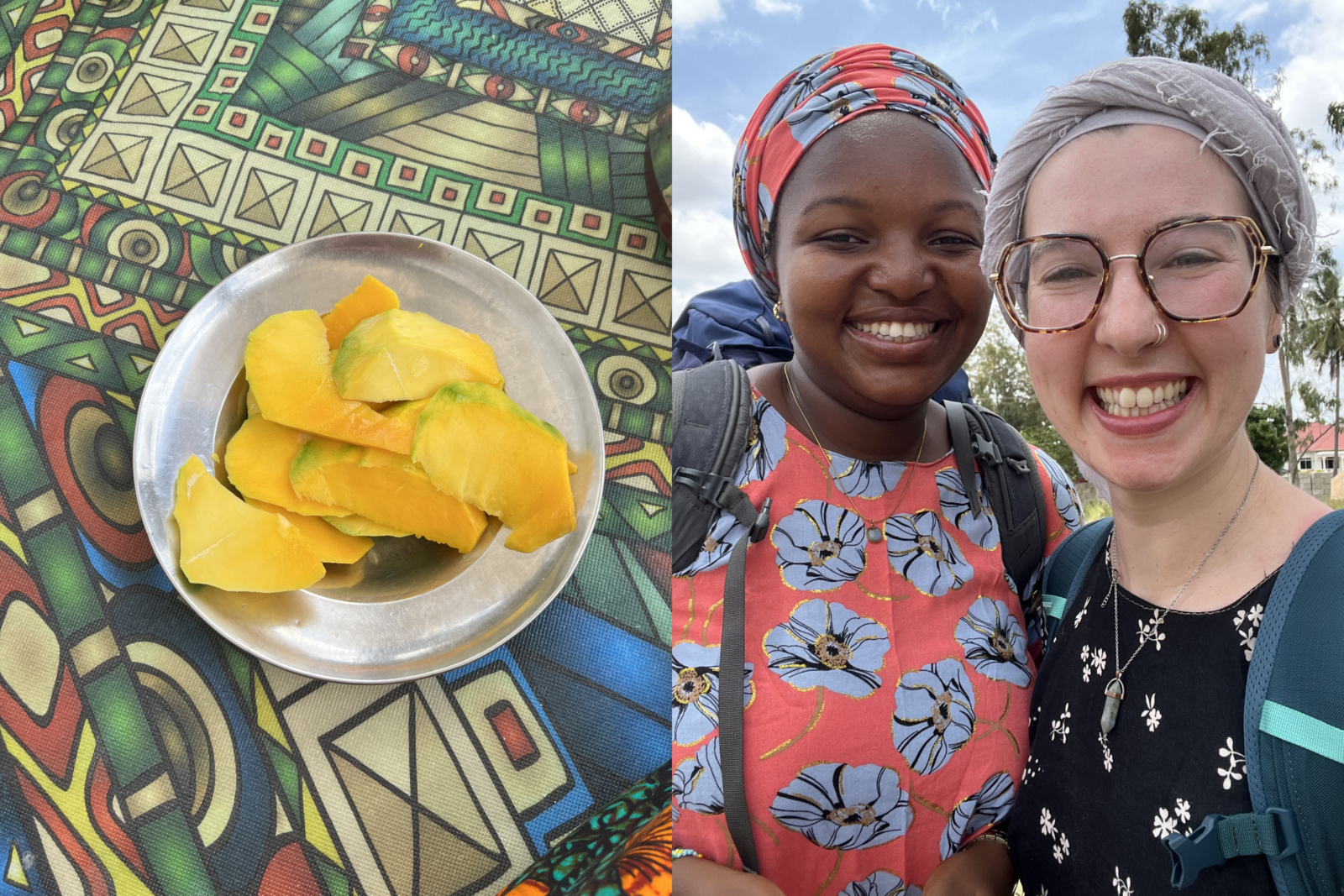
(left photo) Delicious fresh mangoes from Tanzania; (right photo) Melissa (right) and her Tanzanian Peace Corps counterpart, Nisile (left).
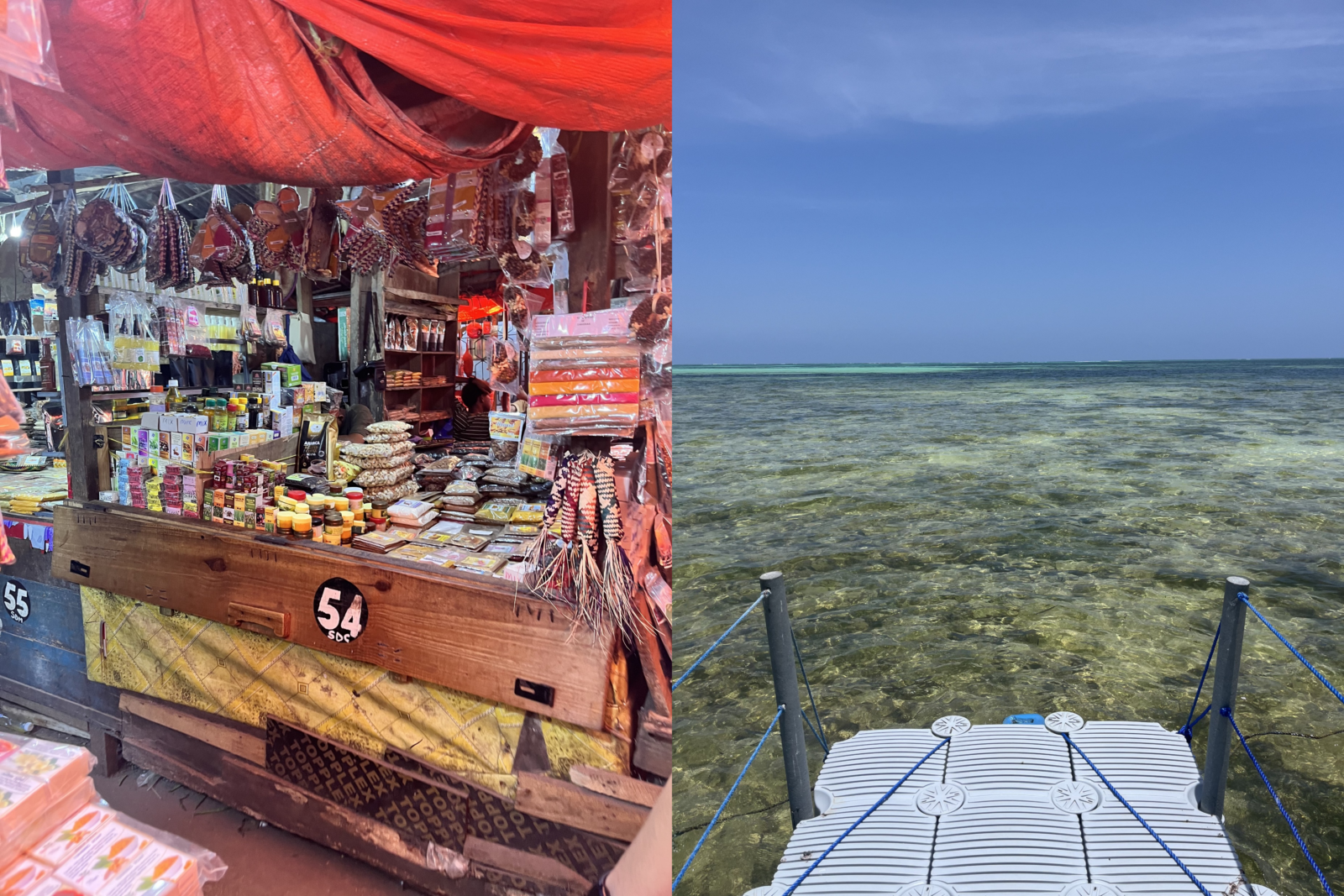
Spice market stand in Stonetown of Zanzibar also known as Mji Mkongwe (Swahili for ‘old town’) (left); the Indian Ocean from the western shore of Zanzibar (right).
Making an Impact
Melissa’s trip to the ACARE Annual Meeting was more than a chance to share CIGLR’s work, it was an opportunity to see how freshwater science connects across the globe and to participate in the collaborations that bring scientists together.
“By presenting research from the Laurentian Great Lakes and engaging with experts on the African Great Lakes, I exchanged ideas, learned new approaches, and gained firsthand insight into the challenges and innovations shaping large-lake management in another part of the world, bringing CIGLR’s vision of Great Lakes Science for Society to life in a whole new way. And the best part? This is just the beginning of expanding shared stories, research, and collaboration across the world’s Great Lakes.”
Stay Connected
Want to stay connected with CIGLR? Subscribe and follow us on social media to receive the latest news, seminar announcements, and updates from across the Consortium.
Facebook, Instagram, Bluesky, X, LinkedIn, YouTube, Flickr
Curious about the African Great Lakes? Check out these links:
Facebook, LinkedIn, Connect with ACARE: Contact Page & Communications Signup
Additional Resources
-
- ACARE Publications
- Great Lakes Seminar Series (recording): Strengthening science on the African Great Lakes through a highly collaborative network of freshwater experts