
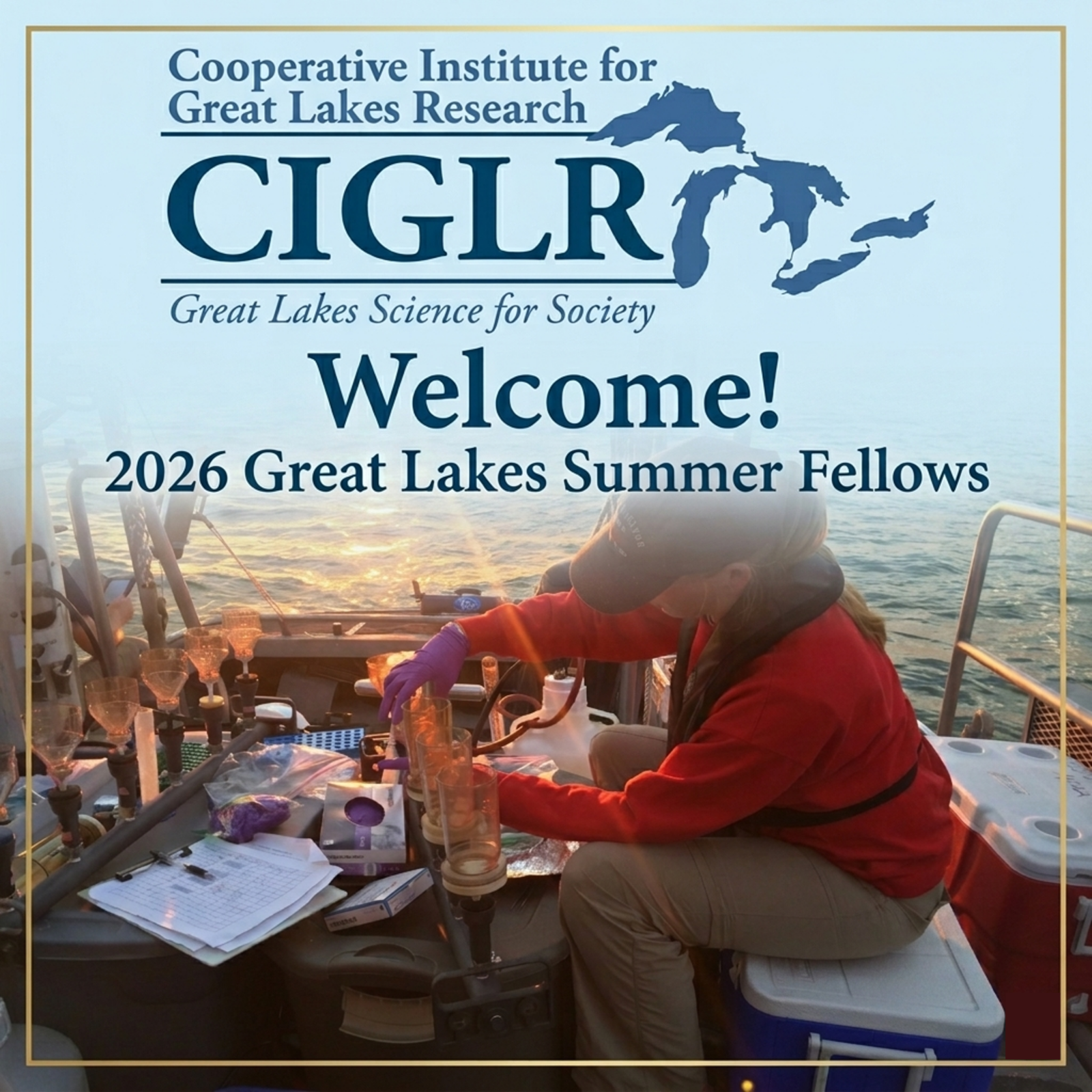
In partnership with NOAA’s Great Lakes Environmental Research Laboratory, the Great Lakes Summer Fellows Program is the cornerstone of CIGLR’s efforts to train the next generation of scientists. Each year, CIGLR is excited to welcome a group of bright, emerging scientists to participate in this 12-week fellowship, where they conduct in-depth research projects, attend career development seminars and science discussions, receive valuable skills training, and build lasting connections as a cohort. We are grateful to the fellows, mentors, and CIGLR ECO (Engagement, Career Training, and Outreach) team whose dedication, creativity, and positivity help make this such a meaningful and rewarding experience.
Please join us in warmly welcoming the 2026 Great Lakes Summer Fellows.
Jack Easterday
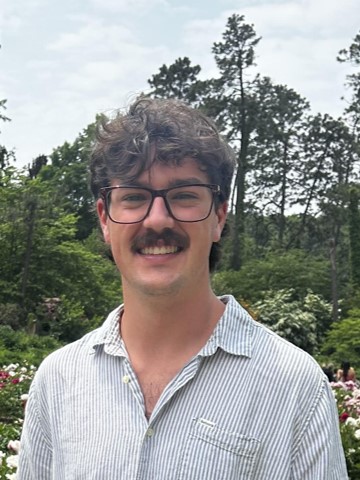
Jack Easterday recently graduated with a Bachelor of Science in Engineering in Environmental Engineering from the University of Michigan. He is working with CIGLR’s David Cannon and Abby Hutson, along with Alisa Young and Jia Wang from the NOAA Great Lakes Environmental Research Laboratory, to develop a pseudo-global-warming product for the Great Lakes. His project focuses on using predicted changes from Global Climate Models to scale high-resolution atmospheric reanalysis data, such as ERA5 and HRRR, in order to better represent future atmospheric conditions at finer spatial scales. By preserving the resolution of reanalysis datasets while reducing the computational costs associated with traditional regional climate modeling techniques, his work supports improved modeling of downstream impacts on lake temperatures, ice cover, water quality, and fisheries habitat.
Serena Felix
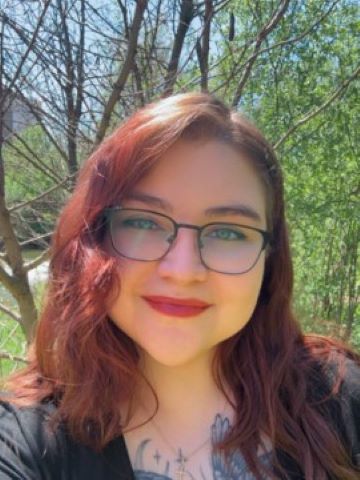
Serena Felix is pursuing a master’s degree in Environment and Sustainability at the University of Michigan. She is working with CIGLR’s Ayumi Fujisaki-Manome, Haoguo Hu, and David Cannon on the Landfast Ice Stability in Alaska’s Coastal Oceans project, which uses a high-resolution landfast sea ice model to evaluate ice stability along Alaska’s coastal regions. Her project examines how tides and storm surge effects influence nearshore ice conditions in the context of warming ocean temperatures that are expected to reduce landfast ice stability. This project contributes to efforts aimed at improving understanding of changing ice conditions and supporting tools that help Native Alaskan communities continue safe subsistence practices in a changing climate.
Hannah Holst
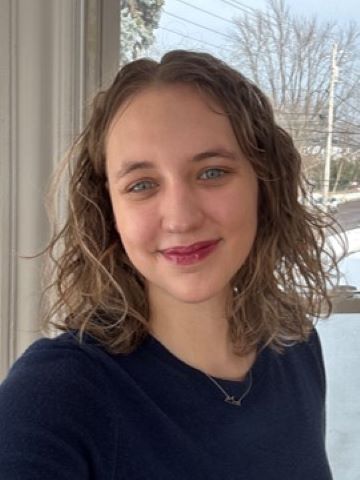
Hannah Holst recently graduated from the University of Vermont with a bachelor’s degree in fisheries biology. Her previous research has focused on organisms in Lake Champlain, including cyanobacteria, rotifers, and American eels. This summer, she is working with Spencer Gardner and Maddie Tomczak from CIGLR and Steve Pothoven from the NOAA Great Lakes Environmental Research Laboratory on Expanding the Cooperative Science and Monitoring Initiative: A Comparison of Larval Early-Life Dynamics Across Nearshore Habitats project. The project compares larval recruitment dynamics across drowned river-mouth and open-lake nearshore habitats along Lake Michigan, where differences in productivity and ecological conditions may influence early fish growth and survival. By examining how nearshore zooplankton communities, including dreissenid veliger abundance, affect early-life stages of fish such as yellow perch, the work contributes to a broader understanding of how habitat-specific processes shape fish recruitment success in the Great Lakes.
Anna Mayernik
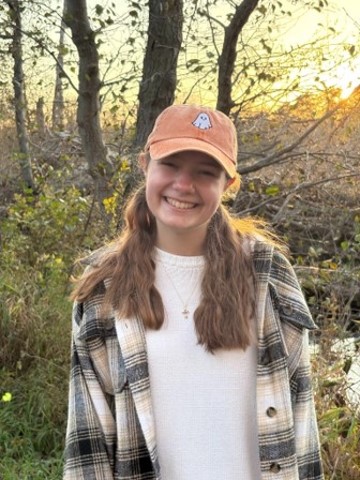
Anna Mayernik is a senior studying Environmental Science at Hope College. Previously, she has done research focused on methane dynamics in Michigan peatlands, and she is excited to expand her research experience this summer by studying Great Lakes ecosystem interactions and environmental change. Working with mentors Jenan Kharbush from the University of Michigan Department of Earth and Environmental Sciences and Reagan Errera and Ashley Elgin from the NOAA Great Lakes Environmental Research Laboratory, Anna is examining how freshwater acidification impacts the feeding behavior of invasive quagga mussels. Her project investigates how increasing atmospheric carbon dioxide levels may alter freshwater ecosystems in the Great Lakes, particularly species that play a key role in food web dynamics. The work also contributes to a broader understanding of ecosystem challenges, including harmful algal blooms and other biological threats that can affect ecosystem and public health.
Sarah Stafford
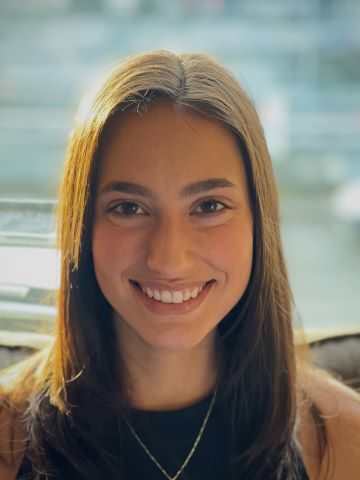
Sarah Stafford is a second-year Master of Marine Policy student at the University of Delaware. She is working with Dani Jones from CIGLR and Mike Shriberg from the University of Michigan Water Center, along with Helena Volzer from the Alliance for the Great Lakes, to develop an assessment framework and community strategy guide focused on data center water resource impacts in the Great Lakes region. Her project addresses the rapid expansion of data centers and their increasing demand on municipal water and wastewater infrastructure, which can place significant pressure on local water security. By contributing to an open-source assessment framework and a practical guide for municipal managers, her work aims to help communities evaluate localized water stress, infrastructure capacity, and energy–water tradeoffs to support more informed decision-making around public resources.
Stay Connected and Learn More:
Want to stay connected with CIGLR? Subscribe and follow us on social media to receive the latest news, seminar announcements, and updates from across the Consortium.
Follow us on: Facebook, Instagram, Bluesky, X, LinkedIn, YouTube, Flickr
Learn more about the Great Lakes Summer Fellowship and how it shapes the next generation of scientists.