
Summits & Working Groups
Description
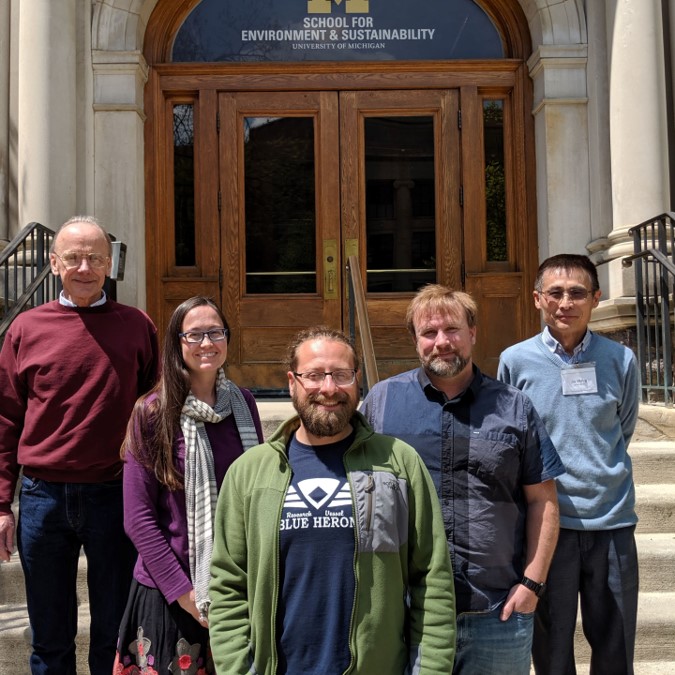
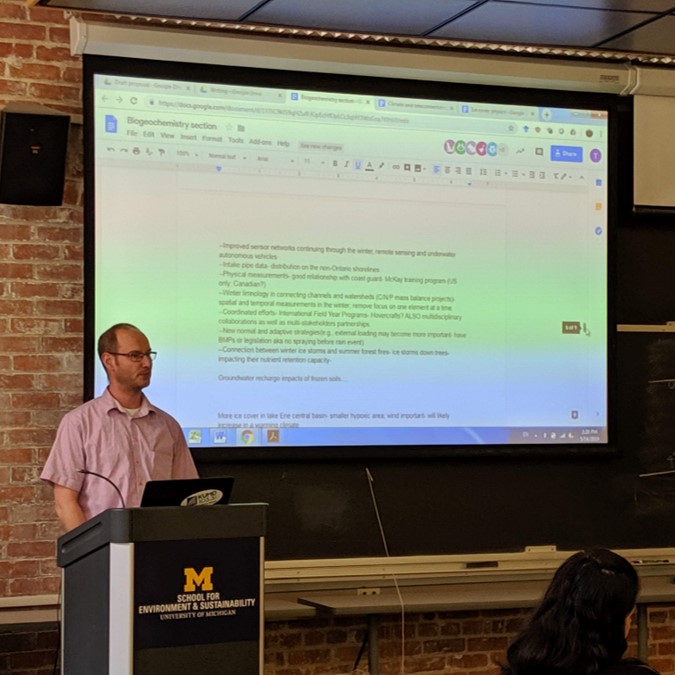
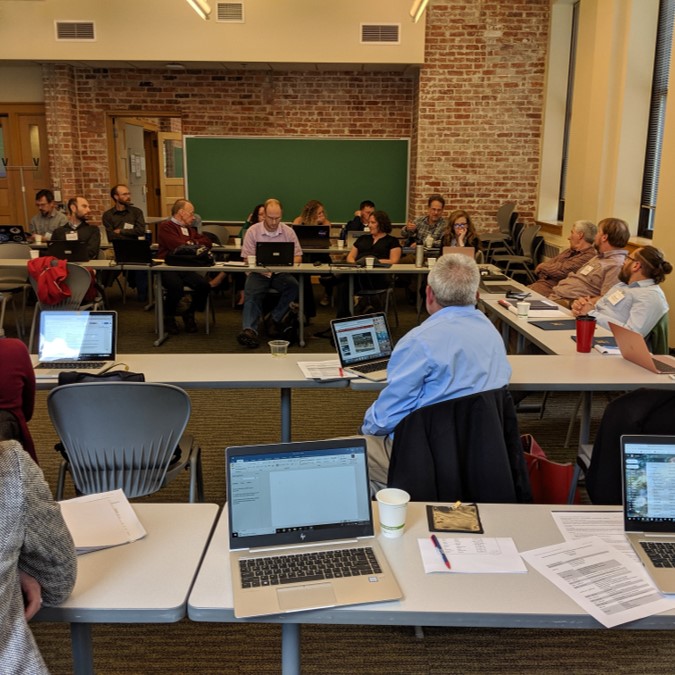
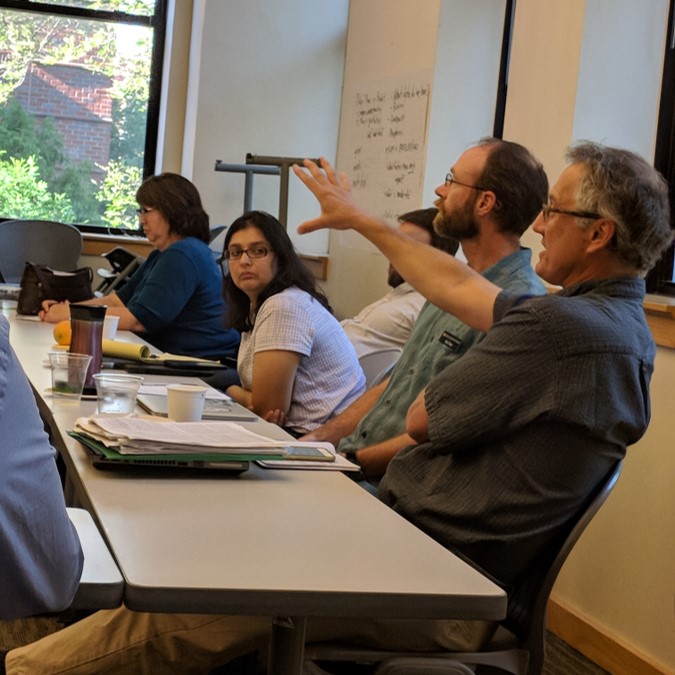
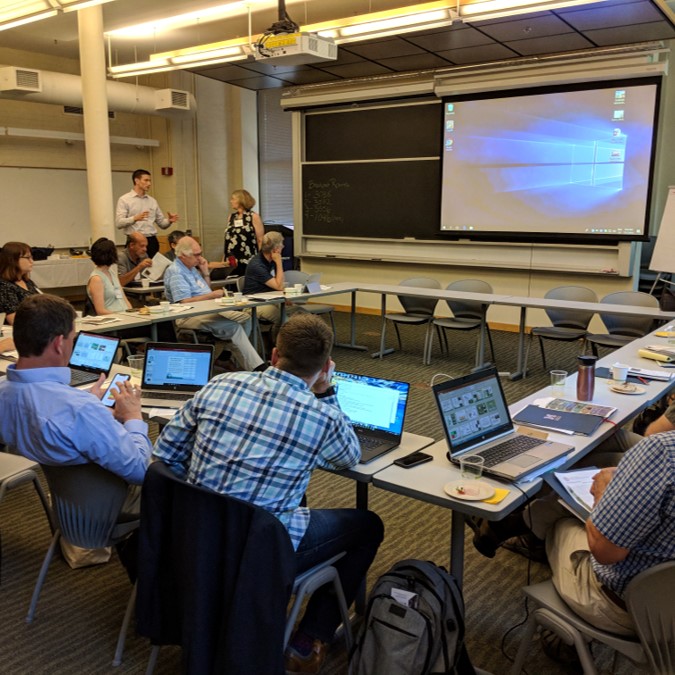
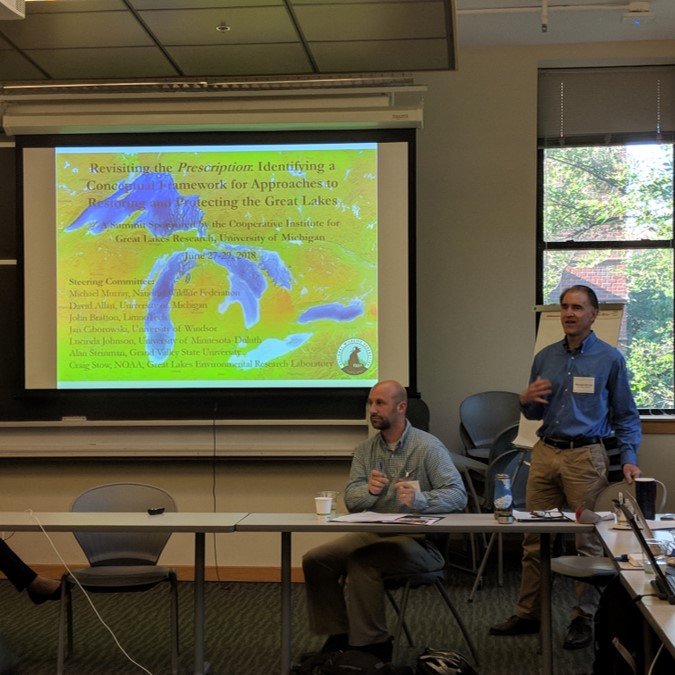
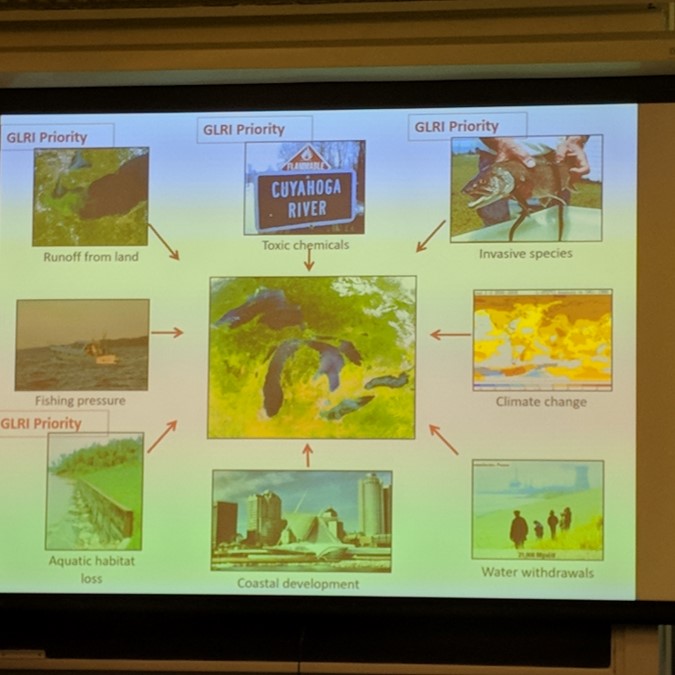
CIGLR convenes top experts from Great Lakes universities, NGOs, government agencies, and businesses to participate in summits and working groups (SWGs) focused on identifying the most pressing research and management needs to achieve sustainability in the Great Lakes.
- Summits comprise groups of 20-30 invited experts meeting for 2-3 days to summarize the state of knowledge and recommend future directions on Great Lakes problems that span decadal time-scales.
- Working groups bring together smaller groups (8-12) for up to one week to make detailed progress on more narrow Great Lakes issues with solutions on the time scale of months to years.
Summits and working groups are centered on CIGLR’s research themes and are designed to advance Great Lakes science and contribute to CIGLR’s mission to increase NOAA’s research capacity across the Great Lakes.
CIGLR funds and hosts three to five SWGs per year that are led by Regional Consortium members, with steering committee members from the CIGLR Research Institute and NOAA GLERL.
2026 Summits & Working Groups – request for proposals
proposal deadline by 5pm ET on January 31, 2026





[Click image to expand or arrows to scroll]
Upcoming Summits and Working Groups
Click here to learn more
 Title: Thinking Outside the Box: How to Increase Synergy Across Observational, Experimental and Modeling Approaches to Understand and Predict HABs
Dates: Late Oct – Early November, 2026
Steering Committee: Lead: Elena Litchman (Michigan State University); co-Leads: Casey Godwin (University of Michigan – CIGLR); Reagan Errera (NOAA GLERL)
CIGLR Research Theme: Observing Systems & Advanced Technology; Invasive Species & Food-web Ecology; Hydrometeorological & Ecosystem Forecasting; Protection & Restoration of Resources
 Title: Integrating Human Dimension Indicators into Great Lakes Monitoring and Management
Dates: August 2026
Steering Committee: Lead: Mike Shriberg (University of Michigan); co-Leads: Jess Rudnick (University of Iliinois/U.S. Forest Service); John Bratton (LimnoTech); Sophee Langerman (National Wildlife Federation / Healing Our Waters); Patrick Doran (The Nature Conservancy, Midwest Division); Julie Simmons (NOAA)
CIGLR Research Theme: Protection & Restoration of Resources
Title: Great Lakes Marine Science and Technology Users Group (GLTUG): Strategy Development and First Meeting
Dates: January 21 & 22, 2026
Steering Committee: Lead: Ed Verhamme (LimnoTech); co-Leads: Kyle Beadle (NOAA GLERL); Russ Miller (University of Michigan – CIGLR); Ebie Holst (Cleveland Water Alliance)

CIGLR Research Theme: Observing Systems & Advanced Technology