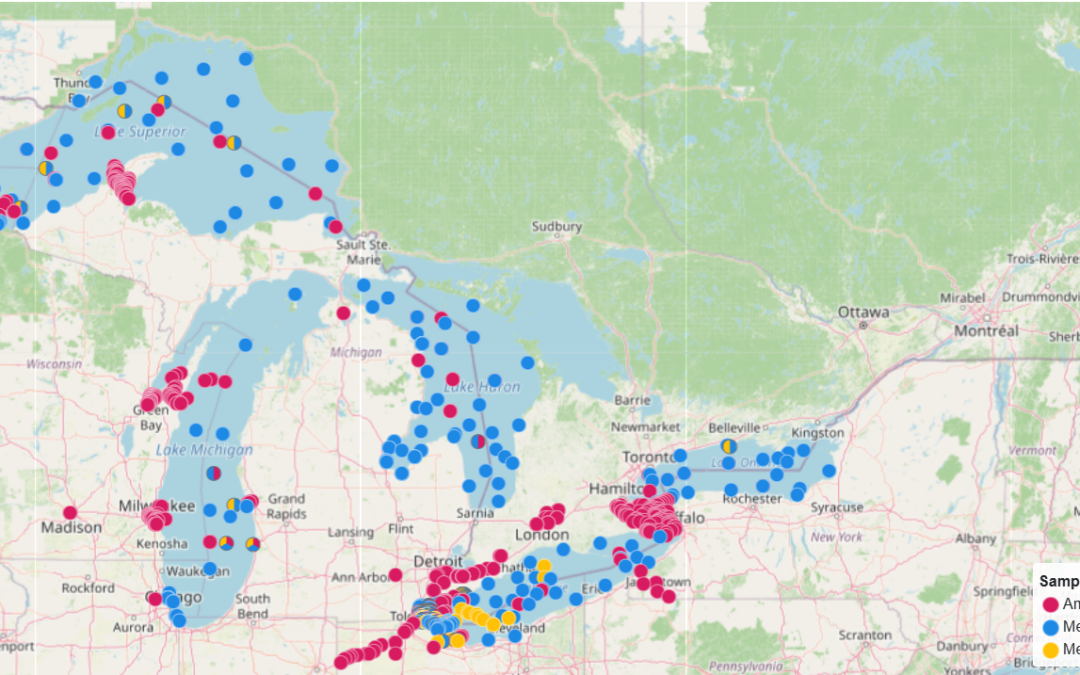
A single vial of Great Lakes water can contain an extraordinary amount of information. Within it are traces of the organisms that live there, the genes they carry, and the biological processes and chemical signals associated with them. Scientists can uncover...
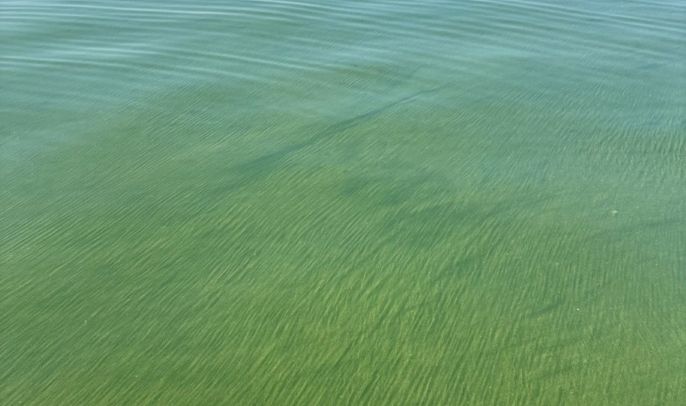
Every summer, harmful algal blooms (HABs) return to western Lake Erie. But these blooms don’t look the same every year. Their size, location, concentration, and duration can all change, making them challenging to understand and predict. A new study led by...
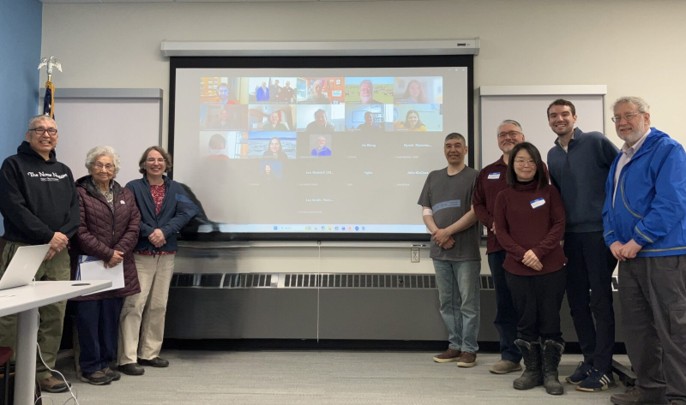
Strengthening Safety on the Ice: Recapping Sea Ice Forecast Workshops in Western Alaska In Alaska, landfast ice is more than just a landscape, it’s a frozen highway and a lifeline for subsistence hunting. But as the Arctic changes, this vital coastal ice...
In partnership with NOAA’s Great Lakes Environmental Research Laboratory, the Great Lakes Summer Fellows Program is the cornerstone of CIGLR’s efforts to train the next generation of scientists. Each year, CIGLR is excited to welcome a group of bright, emerging...
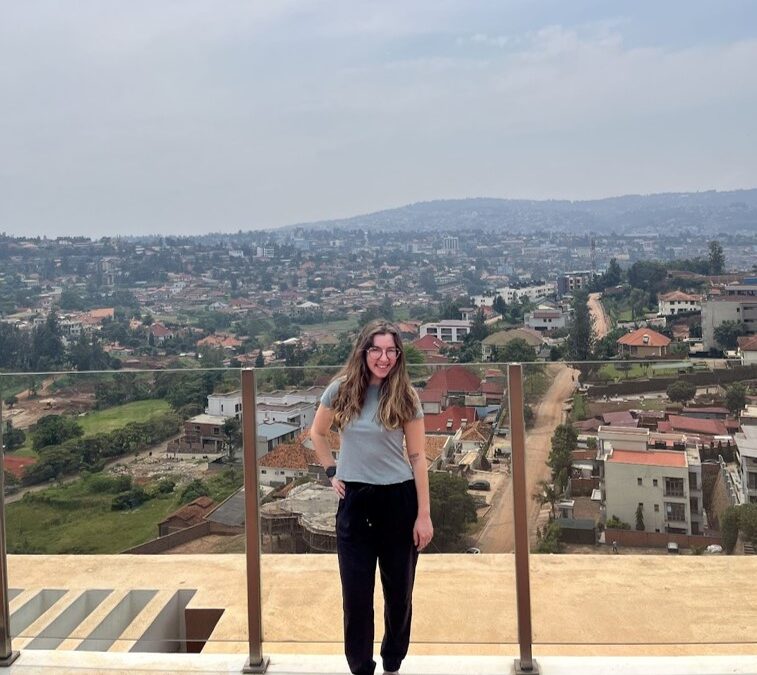
Cooperative Institute for Great Lakes Research (CIGLR) Earth System Modeler Melissa Mattwig attended the 2026 Annual Meeting of the African Center for Aquatic Research and Education (ACARE) in February 2026 in Kigali, Rwanda. At the meeting, she shared insights from...
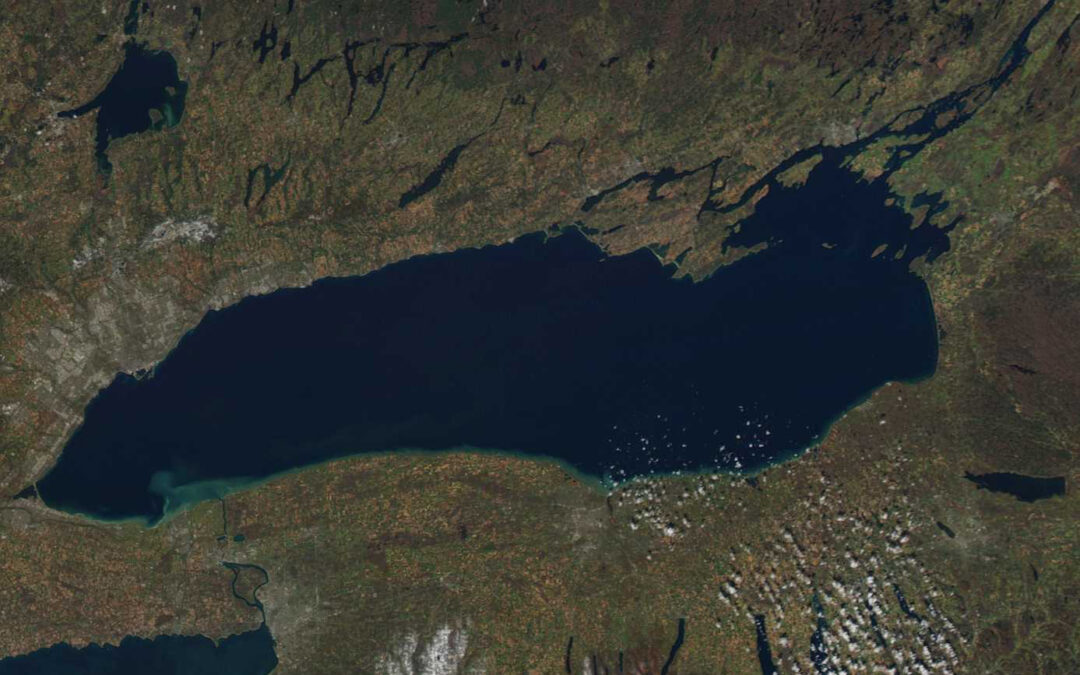
When strong winds sweep across Lake Ontario, the water does more than churn at the surface, it hums. Those winds generate waves, and those waves press down on the lakebed, sending tiny vibrations through the Earth. People can’t feel them, but sensitive instruments...
The CIGLR Connect blog space is open to anyone from the CIGLR Research Institute, Regional Consortium, program award recipients, and affiliated students. Please email CIGLR Communications Specialist Aubrey Lashaway ([email protected]) with questions and to learn more.